

Madinah holds a unique and sacred place in the hearts of Muslims worldwide. Known as Al-Madinah Al-Munawwarah (The Enlightened City), it is the city chosen by Allah as the destination of the Prophet Muhammad’s (ﷺ) migration and the place where Islam flourished. For pilgrims performing Umrah or Hajj, visiting Madinah is a deeply spiritual experience filled with reflection, peace, and connection to Islamic history.
This guide explores the top 10 holy places to visit in Madinah for every pilgrim, highlighting their religious significance and why they are essential to a complete ziyarat journey.
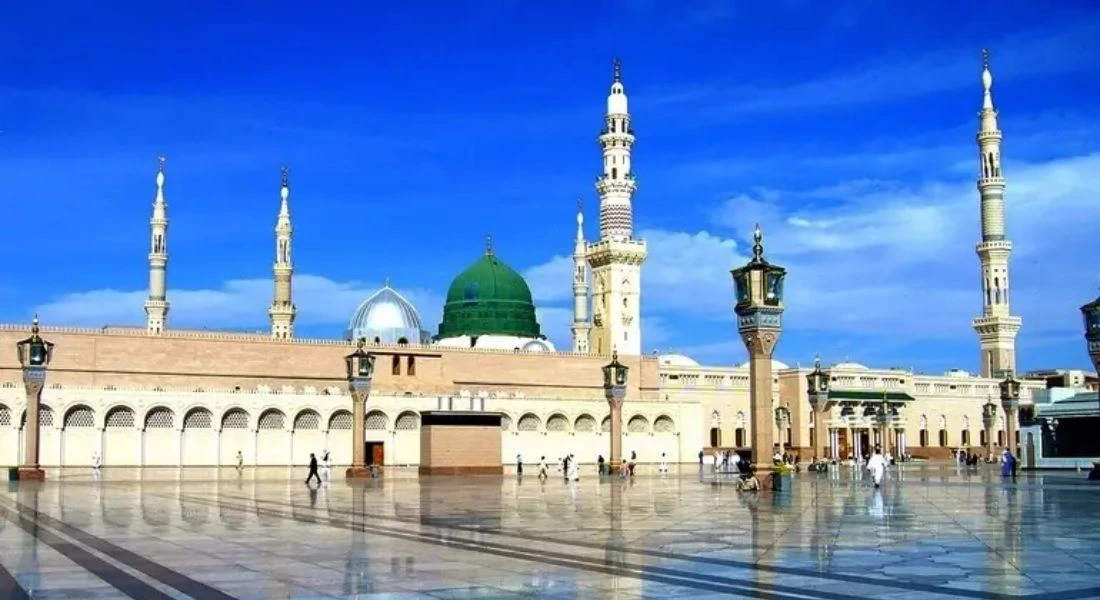
1. Al-Masjid an-Nabawi (The Prophet’s Mosque)
Al-Masjid an-Nabawi is the second holiest mosque in Islam and the heart of Madinah. Built by Prophet Muhammad (ﷺ) himself, it is home to Rawdah Riyadh-ul-Jannah, a place described as a garden from Paradise. Millions of pilgrims visit to send salutations upon the Prophet (ﷺ), pray in Rawdah, and experience unmatched spiritual tranquility.
Why pilgrims visit Al-Masjid an-Nabawi:
- Final resting place of Prophet Muhammad (ﷺ)
- Home to Rawdah (Garden of Paradise)
- One prayer here equals 1,000 prayers elsewhere
- Center of spiritual peace and reflection
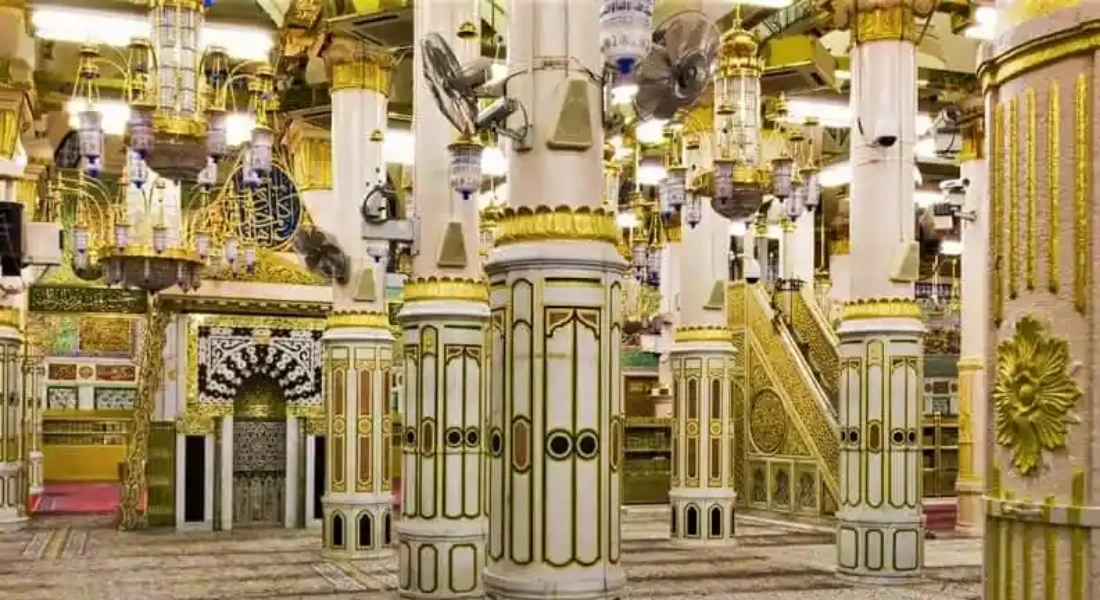
2. Rawdah Riyadh-ul-Jannah
Rawdah is the most cherished area inside the Prophet’s Mosque, located between the Prophet’s house and pulpit. Offering prayers here is considered a once-in-a-lifetime spiritual blessing, making it one of the most sought-after places in Madinah.
Spiritual importance of Rawdah:
- Described as a garden from Jannah
- Place where duas are highly accepted
- Deep emotional and spiritual connection
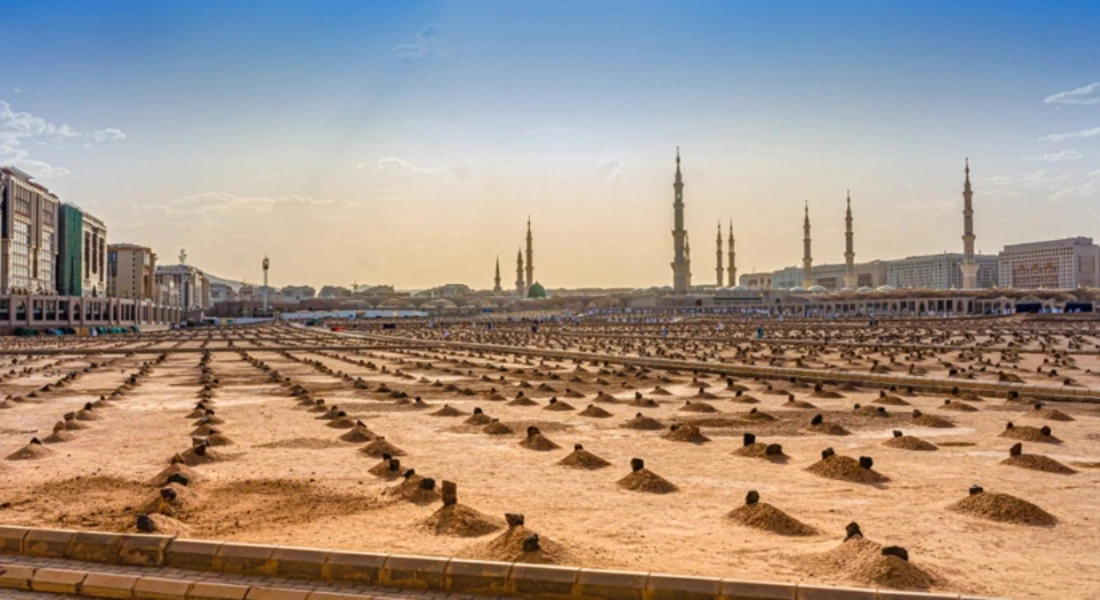
3. Jannat al-Baqi (Al-Baqi Cemetery)
Jannat al-Baqi is the most sacred cemetery in Islam, located beside the Prophet’s Mosque. It is the resting place of thousands of Sahaba, family members of the Prophet (ﷺ), and early Muslims. Visiting this cemetery reminds pilgrims of humility, sacrifice, and the temporary nature of worldly life.
Key highlights of Jannat al-Baqi:
- Burial place of many Sahaba (R.A.)
- Graves of the Prophet’s family members
- Symbol of Islamic history and sacrifice
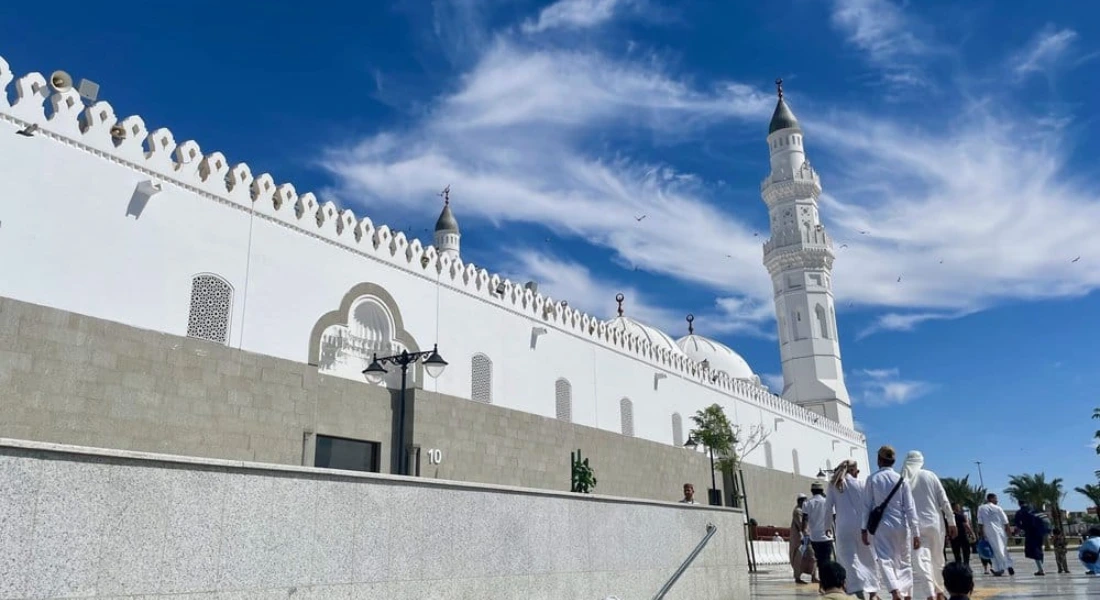
4. Masjid Quba – The First Mosque in Islam
Masjid Quba holds immense significance as the first mosque built in Islam. The Prophet Muhammad (ﷺ) regularly visited it, and praying two rak’ahs here carries the reward of an Umrah.
Why Masjid Quba is special:
- First mosque established in Islam
- Reward equivalent to one Umrah
- Symbol of purity and faith
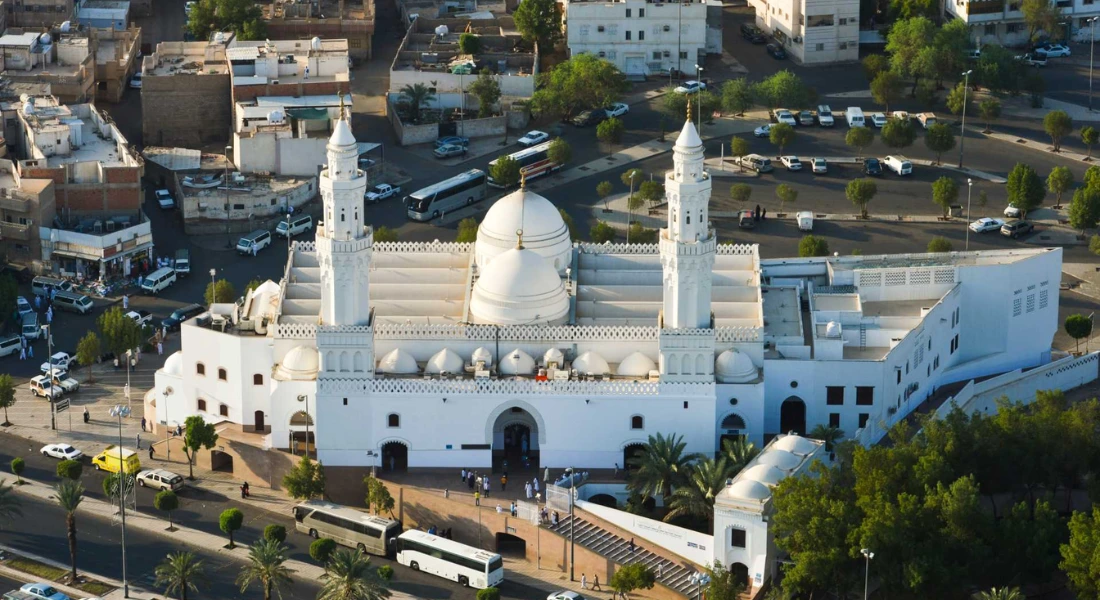
5. Masjid al-Qiblatain (Mosque of Two Qiblahs)
Masjid al-Qiblatain marks the historic moment when the Qiblah changed from Jerusalem to the Kaaba in Makkah. This mosque represents obedience to Allah and a defining moment in Islamic history.
Spiritual significance:
- Site of Qiblah change
- Symbol of faith and obedience
- Unique historical importance
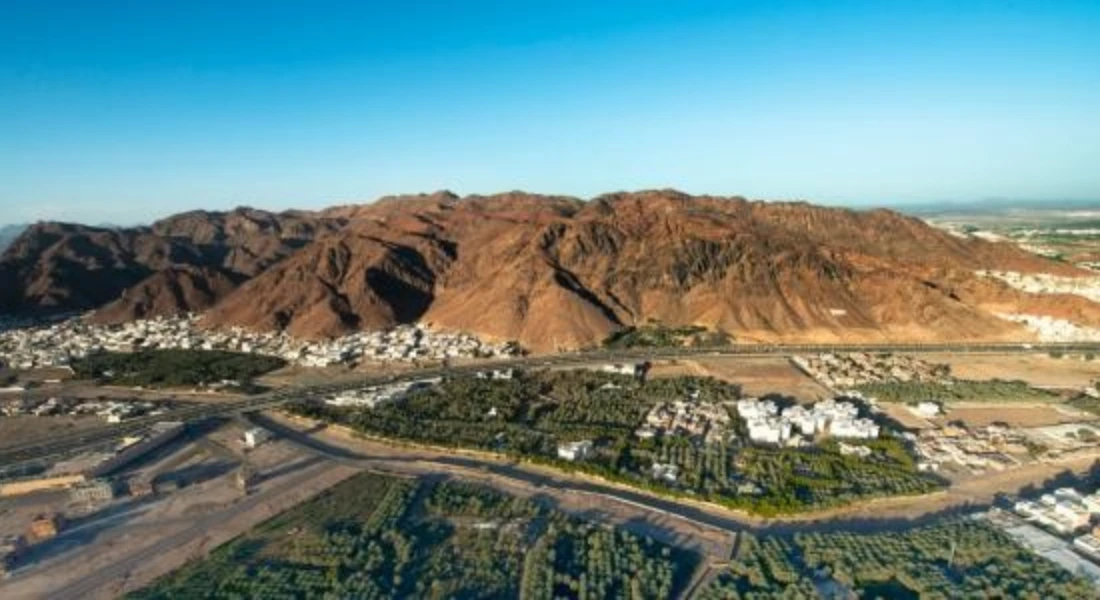
6. Mount Uhud
Mount Uhud is the site of the famous Battle of Uhud, where many companions of the Prophet (ﷺ), including Hazrat Hamza (R.A.), were martyred. The Prophet (ﷺ) expressed love for this mountain, making it a meaningful ziyarat destination.
Why pilgrims visit Mount Uhud:
- Martyrdom site of Sahaba
- Burial place of Hazrat Hamza (R.A.)
- Lesson of patience and sacrifice
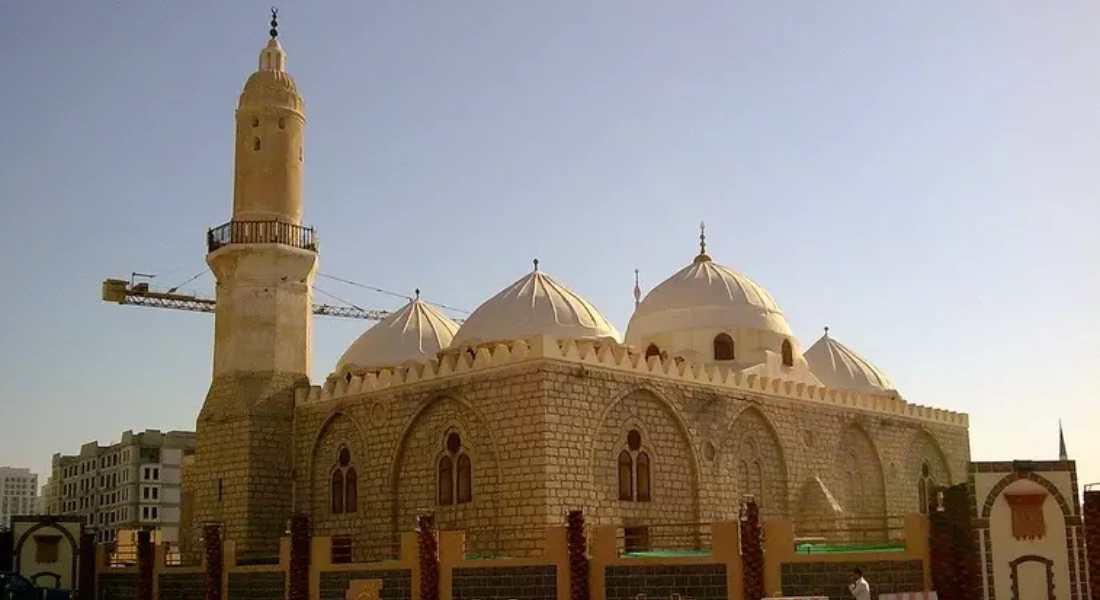
7. Masjid al-Ghamama
Masjid al-Ghamama is known as the place where the Prophet (ﷺ) offered Eid prayer and Salat-ul-Istisqa (rain prayer). It holds spiritual value due to its connection with the Prophet’s supplications.
Key aspects:
- Place of Eid and rain prayer
- Historical mosque near the Prophet’s Mosque
- Symbol of mercy and divine blessings
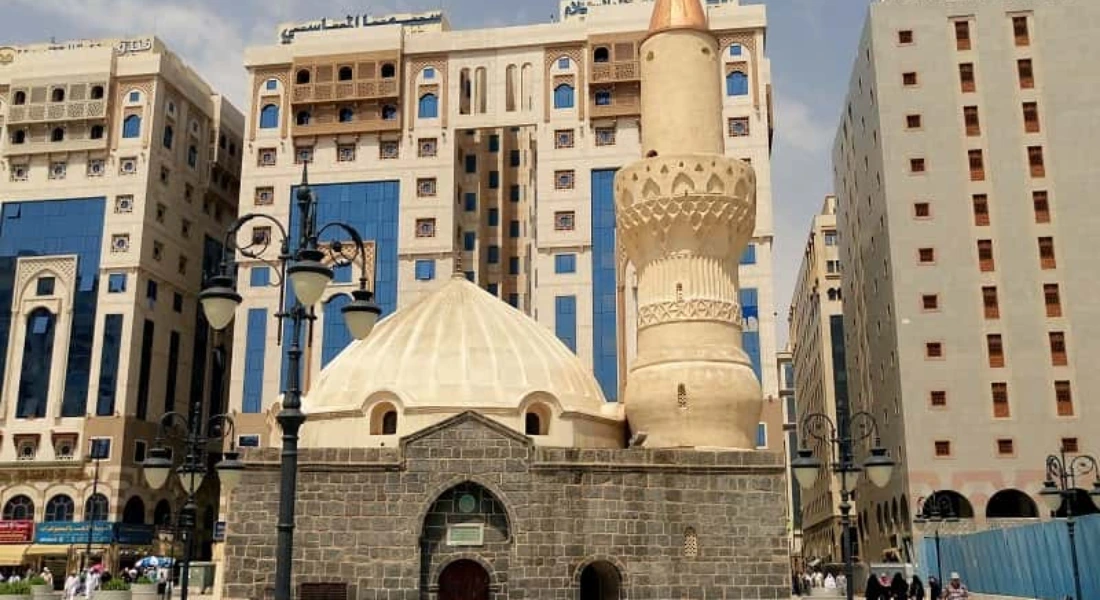
8. Masjid Abu Bakr (R.A.)
This mosque marks the location where Hazrat Abu Bakr Siddiq (R.A.) led Eid prayers during his caliphate. It reflects the leadership and legacy of Islam’s first Caliph.This mosque also symbolizes the simplicity, piety, and unity of the early Islamic era, reminding visitors of the strong leadership and humility of Hazrat Abu Bakr Siddiq (R.A.).
Why it matters:
- Linked to the first Caliph of Islam
- Historical leadership significance
- Close proximity to Masjid an-Nabawi
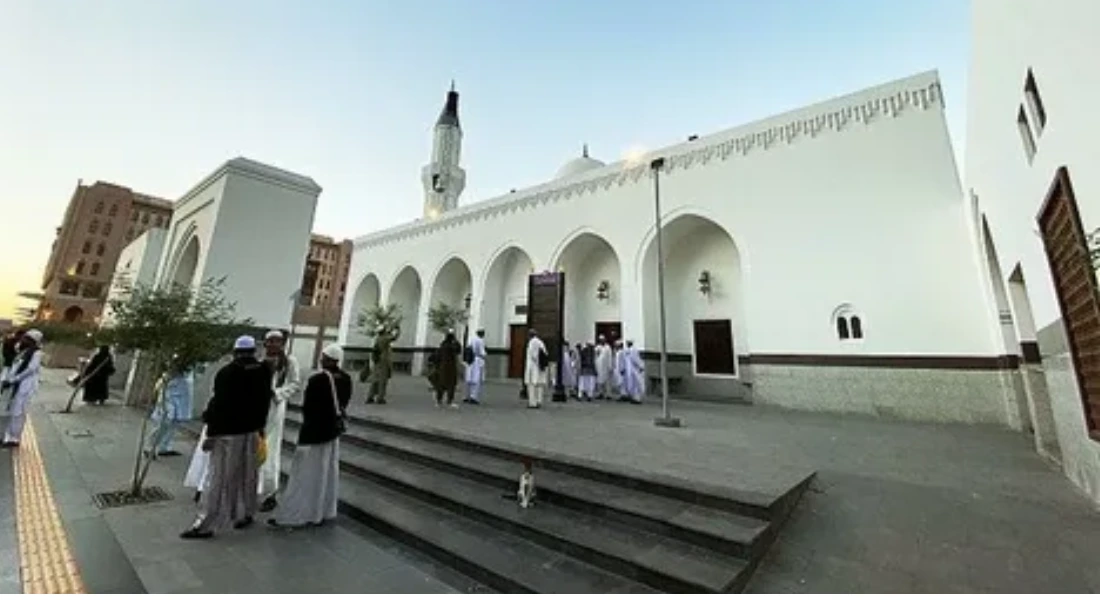
9. Masjid Ali ibn Abi Talib (R.A.)
Masjid Ali is associated with Hazrat Ali (R.A.), the cousin and son-in-law of the Prophet (ﷺ). Pilgrims visit to honor his contributions to Islam and reflect on his bravery and wisdom.It also stands as a reminder of his justice, deep knowledge, and unwavering commitment to upholding Islamic values during the early days of Islam.
Spiritual importance:
- Linked to Hazrat Ali (R.A.)
- Represents courage and devotion
- Important historical landmark
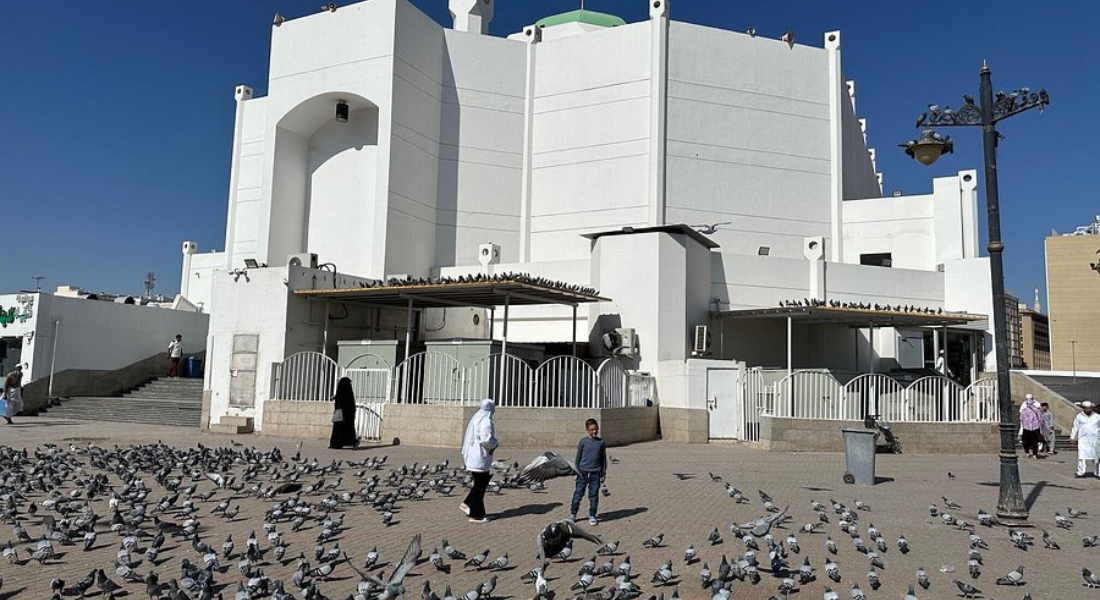
10. Masjid Bilal (R.A.)
Masjid Bilal is named after Bilal ibn Rabah (R.A.), the first Mu’azzin of Islam. His story symbolizes equality, patience, and faith, making this mosque deeply inspiring for pilgrims.It also reminds visitors of his powerful call to prayer and steadfast devotion to Islam despite hardship, inspiring believers to remain firm in faith and humility.
Why pilgrims visit:
- Named after the first Mu’azzin
- Symbol of Islamic equality
- Inspiring legacy of faith
Why Visiting Holy Places in Madinah Completes Your Pilgrimage
Visiting Madinah is not obligatory like Umrah or Hajj, but it is spiritually transformative. These holy sites allow pilgrims to walk in the footsteps of the Prophet (ﷺ), understand Islamic history, and deepen their faith through reflection and prayer. Many pilgrims continue their spiritual journey by visiting the sacred sites of Makkah, and you can explore our complete guide on Top 7 Holy Places to Visit in Makkah to plan your next ziyarat.
ZAM ZAM UMRAH TAXI SERVICE – Your Trusted Travel Partner
ZAM ZAM UMRAH TAXI SERVICE is dedicated to making your ziyarat journey in Madinah smooth, comfortable, and spiritually focused. We provide reliable transportation across Saudi Arabia, ensuring pilgrims can visit all holy sites safely and on time. With experienced drivers, clean vehicles, and pilgrim-friendly service, we handle your travel needs so you can focus entirely on worship.
Contact Information
📞 Phone: +966 59 681 2961
📧 Email: info@zamzamumrahtaxi.com
📘 Facebook: https://www.facebook.com/profile.php?id=61555198040474
📸 Instagram: https://www.instagram.com/zamzamumrahtaxi/
Frequently Asked Questions (FAQs)
1. What are the must-visit holy places in Madinah?
Al-Masjid an-Nabawi, Rawdah, Jannat al-Baqi, Masjid Quba, and Mount Uhud are essential ziyarat locations.
2. Is visiting Madinah mandatory after Umrah?
No, but it is highly recommended for spiritual enrichment.
3. What is the reward of praying in Masjid Quba?
Two rak’ahs in Masjid Quba equal the reward of one Umrah.
4. Can women visit Rawdah?
Yes, access is scheduled through official arrangements.
5. How many days are enough for Madinah ziyarat?
2–3 days are ideal to visit major holy sites.
6. Is transportation needed for Madinah ziyarat?
Yes, many sites are spread across the city and nearby areas.
7. Can elderly pilgrims easily visit these places?
Yes, with proper transport and assistance.
8. What is the best time to visit Madinah?
Early mornings and evenings are less crowded and more peaceful.
9. Are ziyarat places open year-round?
Yes, most holy sites are accessible throughout the year.
10. How can I book reliable transport in Madinah?
You can book trusted pilgrim-focused taxi services operating across Saudi Arabia.
